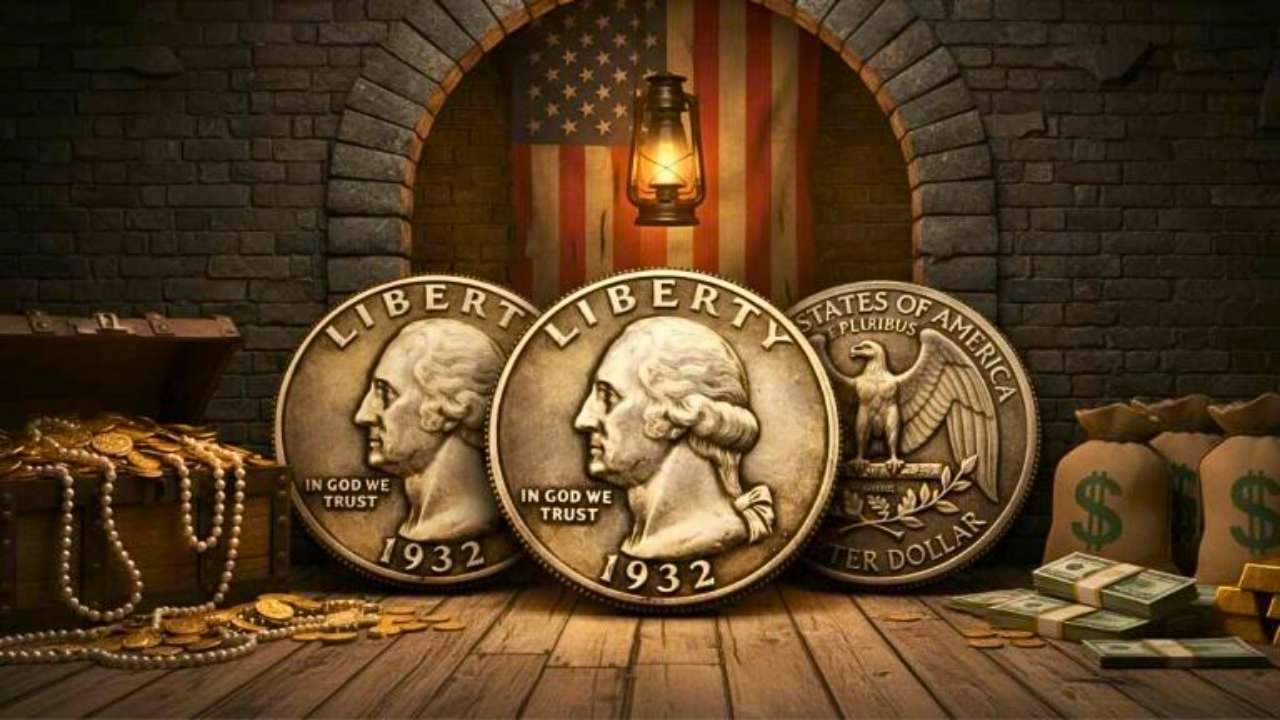
The Washington Quarter has been a cornerstone of American coinage since 1932. Originally introduced to commemorate the 200th anniversary of George Washington’s birth, the coin has seen countless changes in design, minting techniques, and special editions. While most quarters are worth only their face value, certain hidden varieties have become highly valuable. In 2026, collectors continue to hunt for these treasures, with some Washington Quarters fetching thousands of dollars at auctions. This guide explores the rare varieties, their values, and how collectors can identify them.
The History of the Washington Quarter
The Washington Quarter was designed by John Flanagan and first struck in 1932. The obverse features Washington’s profile, while the reverse originally displayed an eagle. Over the years, the coin has undergone several design changes, most notably the State Quarters Program beginning in 1999, followed by the America the Beautiful Quarters in 2010. Despite these changes, the coin remains one of the most widely circulated denominations in the United States.
Why Some Washington Quarters Are Valuable
Not all Washington Quarters are worth more than twenty‑five cents. The value depends on several factors:
- Minting errors that created unique varieties.
- Low mintage numbers that make certain issues scarce.
- Special proof or silver editions.
- Condition, with uncirculated or high‑grade coins commanding higher prices.
Hidden Varieties Collectors Are Hunting
1. 1932‑D Washington Quarter
One of the rarest quarters, with only 436,800 minted in Denver. Estimated Value: $5,000 to $25,000 depending on grade. Identification Tip: Look for the “D” mint mark below the date.
2. 1932‑S Washington Quarter
Another low‑mintage coin, with just 408,000 struck in San Francisco. Estimated Value: $3,000 to $20,000. Identification Tip: Check for the “S” mint mark.
3. 1943 Doubled Die Obverse Quarter
This wartime issue features doubling in the date and lettering. Estimated Value: $1,000 to $5,000. Identification Tip: Examine the date and “Liberty” for doubled impressions.
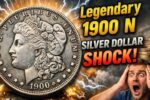
4. 1950‑D/S Overmintmark Quarter
A rare variety where the Denver mint mark was struck over a San Francisco mint mark. Estimated Value: $500 to $3,000. Identification Tip: Look closely at the mint mark for overlapping details.
5. 1964 Silver Washington Quarter
The last year of silver quarters, with high‑grade examples commanding premium prices. Estimated Value: $50 to $500. Identification Tip: Test for silver weight; genuine silver quarters weigh more than clad issues.
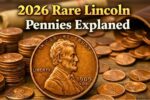
6. 1976 Bicentennial Quarter Double Die Error
Special bicentennial issues sometimes show doubling in the drummer design or lettering. Estimated Value: $500 to $3,000. Identification Tip: Examine the reverse design carefully for doubled details.
7. 1982 No P Mint Mark Quarter
A Philadelphia issue missing the “P” mint mark, making it highly collectible. Estimated Value: $500 to $2,000. Identification Tip: Check the obverse; genuine examples lack the mint mark.
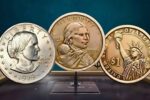
8. 2000‑P Sacagawea Mule Error Quarter
A famous modern error featuring a Washington Quarter obverse paired with a Sacagawea Dollar reverse. Estimated Value: $50,000 to $200,000. Identification Tip: Look for the mismatched designs; these coins are extremely rare.
9. 2009‑D District of Columbia Quarter Double Die Error
Doubling appears in the lettering on the reverse. Estimated Value: $100 to $500. Identification Tip: Examine the reverse lettering for doubled impressions.
10. 2026 Collector Demand Varieties
As interest grows, certain earlier varieties and high‑grade coins are expected to rise in value at auctions. Estimated Value: $500 to $5,000 depending on rarity and condition. Identification Tip: Monitor auction results and grading service reports for trends.
Chart: Valuable Washington Quarter Varieties and Their Values
| Washington Quarter | Year | Variety/Error | Estimated Value Range |
|---|---|---|---|
| Washington Quarter | 1932 | Denver Issue | $5,000 – $25,000 |
| Washington Quarter | 1932 | San Francisco Issue | $3,000 – $20,000 |
| Washington Quarter | 1943 | Doubled Die Obverse | $1,000 – $5,000 |
| Washington Quarter | 1950 | D/S Overmintmark | $500 – $3,000 |
| Washington Quarter | 1964 | Silver Issue | $50 – $500 |
| Bicentennial Quarter | 1976 | Double Die Error | $500 – $3,000 |
| Washington Quarter | 1982 | No P Mint Mark | $500 – $2,000 |
| Mule Error Quarter | 2000 | Sacagawea Reverse | $50,000 – $200,000 |
| Washington Quarter | 2009 | DC Double Die Error | $100 – $500 |
| Washington Quarter | 2026 | Collector Demand Varieties | $500 – $5,000 |
How Collectors Identify Rare Washington Quarters
Collectors often rely on magnifying glasses, reference books, and professional grading services to confirm authenticity. Key steps include:
- Checking mint marks carefully.
- Looking for unique finishes or doubled details.
- Comparing coins against verified images from trusted numismatic sources.
- Submitting rare finds to grading services like PCGS or NGC for certification.
Preserving the Value of Washington Quarters
Condition is everything in coin collecting. Even rare varieties lose value if damaged. To preserve coins:
- Store them in protective holders.
- Avoid cleaning, which can reduce value.
- Keep them in a stable environment free from humidity.
Key Highlights
- The Washington Quarter was introduced in 1932 and remains a popular collectible.
- Rare varieties include the 1932‑D, 1932‑S, 1943 Doubled Die, 1950 D/S Overmintmark, and 1982 No P Mint Mark.
- Values range from hundreds to hundreds of thousands of dollars.
- Proper identification and preservation are essential for maximizing worth.
Final Words
The Washington Quarter is more than just a piece of currency; it is a symbol of American history and artistry. In 2026, collectors continue to uncover hidden varieties that can bring big auction money. From the 1932‑D to the legendary Mule Error, these coins remind us that treasures can be found in unexpected places. For collectors, the thrill lies not only in the value but also in the stories these coins tell, making the Washington Quarter one of the most exciting areas of modern numismatics.