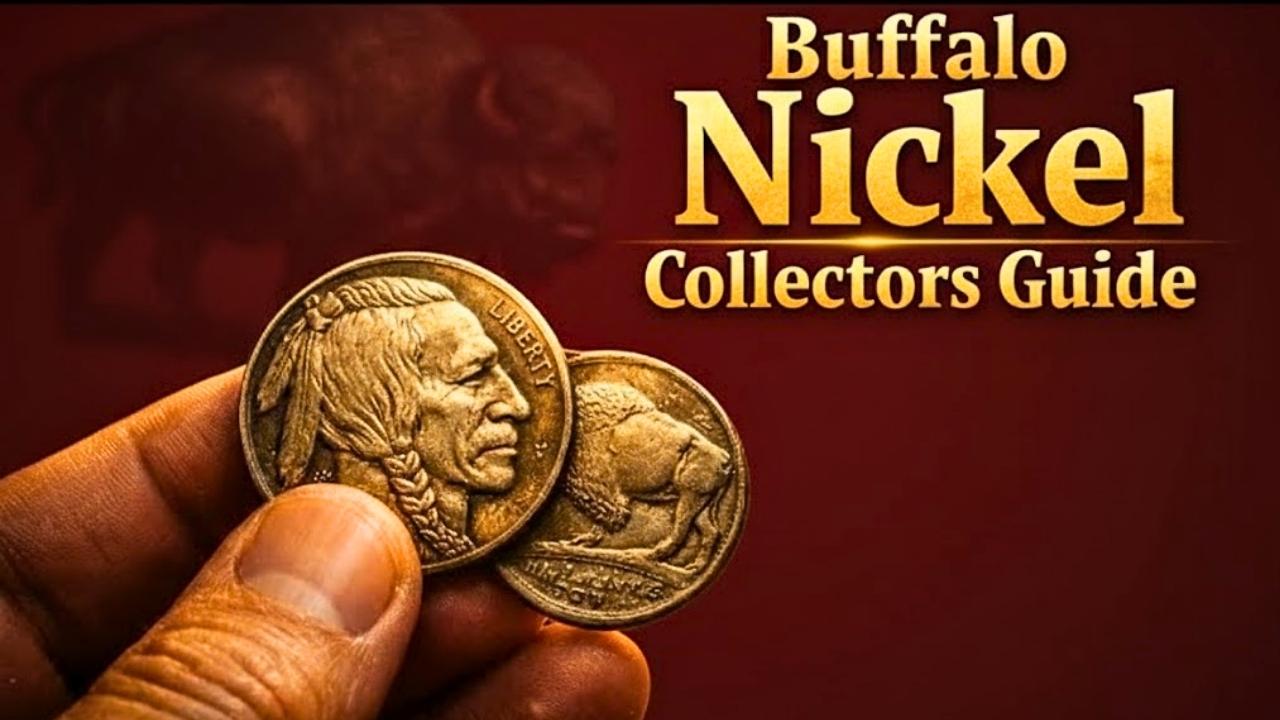
The Buffalo Nickel, also known as the Indian Head Nickel, was first introduced in 1913. Designed by sculptor James Earle Fraser, it quickly became one of the most distinctive coins in American history. Fraser’s design was intended to celebrate the nation’s heritage, featuring a Native American profile on the obverse and a majestic American bison on the reverse.
The coin was minted until 1938, when it was replaced by the Jefferson Nickel. Despite its relatively short production run, the Buffalo Nickel left a lasting impression on collectors and the public alike.
Symbolism in the Design
The Buffalo Nickel’s design was deeply symbolic. The Native American portrait was a composite of several tribal leaders Fraser had studied, representing strength and dignity. The reverse featured an American bison, often believed to be modeled after “Black Diamond,” a buffalo living at the Bronx Zoo.
Together, these images captured the spirit of the American frontier and the cultural heritage of the nation. The coin was not just currency; it was a piece of art that reflected America’s identity during the early 20th century.
Challenges in Production
While the design was admired, it posed challenges for the U.S. Mint. The raised details wore down quickly in circulation, making dates and features difficult to read. This led to frequent complaints and eventually contributed to the coin’s replacement in 1938.
Despite these issues, the Buffalo Nickel remains beloved for its artistry and historical significance. Collectors often seek well‑preserved examples, which are increasingly rare due to the coin’s tendency to wear.
Rare Varieties of the Buffalo Nickel
Several rare varieties of the Buffalo Nickel have become legendary among collectors. These include:
- The 1913 Type I Nickel, which featured the bison standing on a raised mound. This design was quickly modified to Type II, where the mound was flattened to improve durability.
- The 1918/7‑D overdate, created when a 1917 die was repurposed and over‑stamped with 1918. This error is one of the most valuable Buffalo Nickels.
- The 1937‑D “Three‑Legged” Buffalo, caused by over‑polishing of the die, which erased one of the bison’s legs. This variety is highly sought after and commands significant prices.
These rare varieties highlight the quirks of minting and the unexpected treasures that can emerge from production errors.

Value of Buffalo Nickels Today
The value of Buffalo Nickels varies widely depending on condition, rarity, and demand. Common dates in worn condition may only be worth a few dollars, while rare varieties in pristine condition can sell for thousands.
For example, the 1918/7‑D overdate and the 1937‑D Three‑Legged Buffalo are among the most valuable, often fetching high prices at auction. Collectors also prize complete sets, especially those in high grades certified by professional grading services.
Collector Trends in 2026
In 2026, Buffalo Nickels remain a cornerstone of American numismatics. Their iconic design and historical significance continue to attract new collectors. Online marketplaces and auctions have made it easier to buy and sell these coins, while grading services provide assurance of authenticity and quality.
Interest in rare varieties has grown, with prices reflecting strong demand. Even common Buffalo Nickels are valued for their artistry and nostalgic appeal, making them a popular choice for both beginners and seasoned collectors.

Why the Buffalo Nickel Endures
The Buffalo Nickel endures because it represents more than money. It is a symbol of America’s frontier spirit, cultural heritage, and artistic achievement. Its design captures a moment in history when the nation sought to honor its past while looking toward the future.
Collectors cherish the coin not only for its value but also for its story. Each Buffalo Nickel is a piece of history, worn by time yet still carrying the images that defined an era.

How to Start Collecting Buffalo Nickels
For those inspired by the Buffalo Nickel, collecting can begin with simple steps. Start by learning about the different dates and varieties. Look for coins in good condition, paying attention to details like the date and mint mark.
Consider investing in protective holders and albums to preserve coins. Joining collector communities and attending coin shows can also provide valuable insights. Whether you aim to build a complete set or focus on rare varieties, the Buffalo Nickel offers endless opportunities for discovery.
Key Highlights
- The Buffalo Nickel was introduced in 1913 and minted until 1938.
- Designed by James Earle Fraser, it features a Native American portrait and an American bison.
- Rare varieties include the 1918/7‑D overdate and the 1937‑D Three‑Legged Buffalo.
- Values range from a few dollars for common coins to thousands for rare examples.
- In 2026, Buffalo Nickels remain highly collectible and cherished for their artistry and history.
Final Words
The Buffalo Nickel stands as one of America’s most iconic coins, blending artistry, history, and symbolism. Its design captured the nation’s spirit, while its rare varieties continue to fascinate collectors.
In 2026, the Buffalo Nickel remains a timeless treasure, valued not only for its monetary worth but also for the stories it tells. Whether you are a seasoned numismatist or a curious beginner, this coin offers a journey into America’s past and a reminder that even the smallest pieces of metal can carry immense meaning.