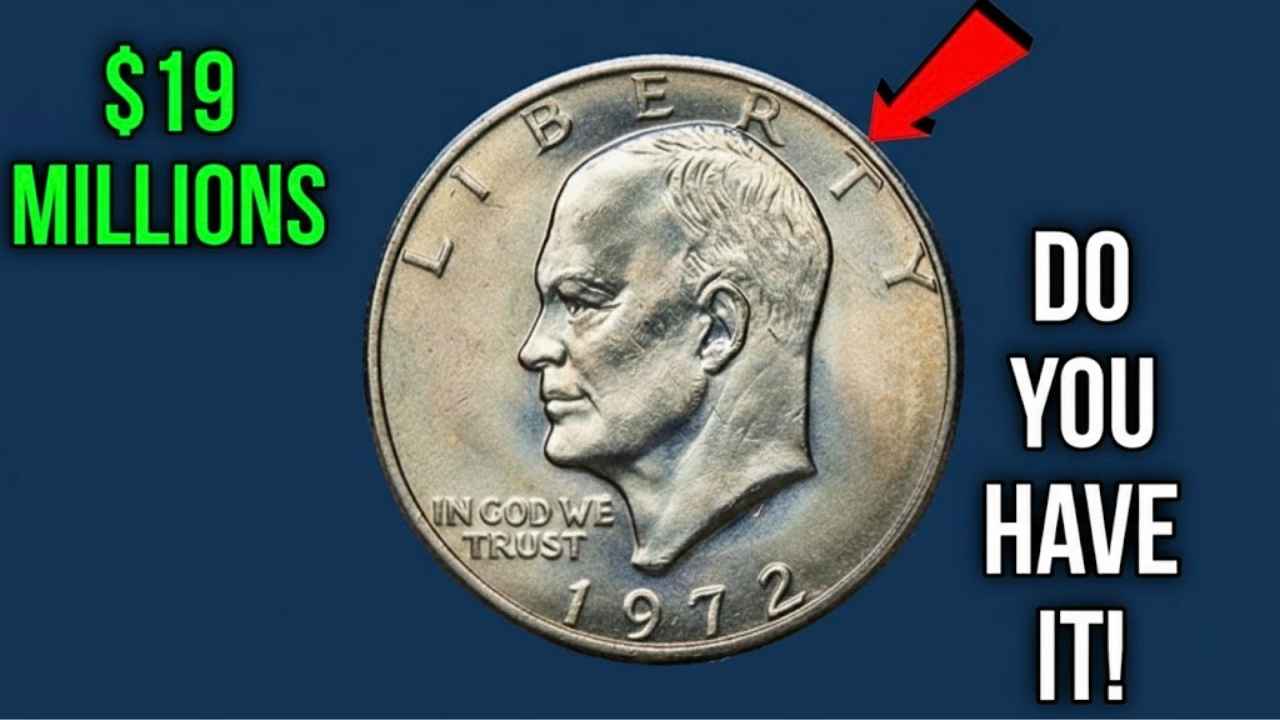
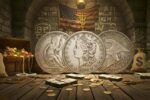
The One Dollar Coins has long been a symbol of American currency. From the early silver dollars of the 18th century to modern commemorative issues, these coins reflect the nation’s history, artistry, and economic evolution. While most dollar coins are worth only their face value, certain rare varieties have achieved legendary status, commanding prices in the thousands or even millions.
Collectors prize these coins not only for their monetary value but also for the stories they embody. Each rare dollar coin represents a unique chapter in American numismatics, making them highly sought after in today’s market.

Why Some Dollar Coins Are So Valuable
The value of a dollar coin depends on several factors. Rarity is the most important, often determined by limited mintage or unusual production errors. Condition also plays a major role, with pristine, uncirculated coins commanding higher prices. Historical significance and collector demand further influence value.
Together, these factors can transform a simple coin into a treasure worth far more than its face value. For collectors, the thrill lies in the possibility that an ordinary coin could hold extraordinary worth.
Famous Rare One Dollar Coins
Several one‑dollar coins stand out as treasures in American numismatics. Some of the most notable include:
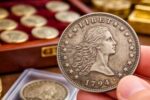
- The 1794 Flowing Hair Dollar, considered the first silver dollar struck by the U.S. Mint. High‑grade examples have sold for millions.
- The 1804 Draped Bust Dollar, known as the “King of American Coins,” with only a handful of specimens in existence.
- The 1870‑S Seated Liberty Dollar, an extremely rare coin with only a few known examples.
- The 1921 Peace Dollar, the first year of issue for this iconic design, prized in high grades.
- Modern rarities such as the 2000 Sacagawea “Cheerios” Dollar, featuring a prototype reverse design.
These coins demonstrate how history, rarity, and artistry combine to create extraordinary value.
Auction Records and Market Trends
Rare dollar coins have consistently set records at auction. The 1794 Flowing Hair Dollar, for example, sold for over $10 million in recent years, making it one of the most expensive coins ever. The 1804 Draped Bust Dollar has also achieved multi‑million‑dollar prices.
Collectors and investors view these coins as both historical artifacts and financial assets. Their rarity ensures that demand will always exceed supply, driving values higher over time. In 2026, the market for rare dollar coins remains strong, reflecting both their historical significance and collector appeal.
How to Identify Valuable Dollar Coins
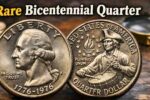
Collectors recommend examining coins carefully for signs of rarity or uniqueness. Key things to look for include:
- Mint marks indicating where the coin was struck
- Dates associated with low production numbers
- Errors such as doubled dies, off‑center strikes, or unusual finishes
- Coins in pristine, uncirculated condition
Authenticating coins through professional grading services such as PCGS or NGC is essential to confirm rarity and value.
The Cultural Significance of the Dollar Coin
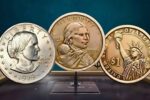
Beyond monetary value, the dollar coin carries cultural importance. It reflects the nation’s history, artistry, and identity. Designs honor leaders, commemorate milestones, and capture the spirit of an era.
Collectors appreciate dollar coins not only for their rarity but also for the stories they embody. Each coin is a tangible reminder of America’s past, connecting generations through shared history.
Collector Tips for Finding Rare Dollar Coins
Searching for rare dollar coins requires patience and knowledge. Collectors suggest:
- Checking old coin collections, inherited estates, and auction catalogs
- Using magnification to spot small details like mint marks or doubled dies
- Consulting coin guides and professional grading services for verification
- Preserving coins carefully to maintain condition and value
Even if you do not uncover a coin worth millions, identifying valuable varieties can still lead to exciting discoveries.
Rare Dollar Coins in 2026
By 2026, coin collecting remains a vibrant hobby and investment. Online marketplaces, auctions, and global communities have made it easier than ever to connect with fellow enthusiasts. Rare dollar coins continue to appreciate in value, driven by demand and historical significance.
The coins highlighted here—the 1794 Flowing Hair Dollar, 1804 Draped Bust Dollar, 1870‑S Seated Liberty Dollar, 1921 Peace Dollar, and 2000 Sacagawea Cheerios Dollar—demonstrate how ordinary currency can become extraordinary treasures.
Key Highlights
- Rare one‑dollar coins often gain value from limited mintage, minting errors, or historical significance.
- Famous examples include the 1794 Flowing Hair Dollar and 1804 Draped Bust Dollar.
- Auction records show values reaching millions of dollars.
- Authenticity can be verified through mint marks, condition, and professional grading.
- The dollar coin symbolizes American history and remains a cornerstone of numismatics.
Final Words
The rare one‑dollar coin is more than just currency; it is a piece of history, a symbol of America’s heritage, and for some, a hidden treasure worth millions. While most coins remain at face value, rare varieties have achieved legendary status, commanding extraordinary prices among collectors.
For enthusiasts, the dollar coin represents both opportunity and inspiration. Whether you are searching for hidden treasures in pocket change or building a professional collection, these coins remind us that fortune and history often lie in the smallest details. Their legacy endures, proving that even ordinary currency can carry immense meaning and worth.