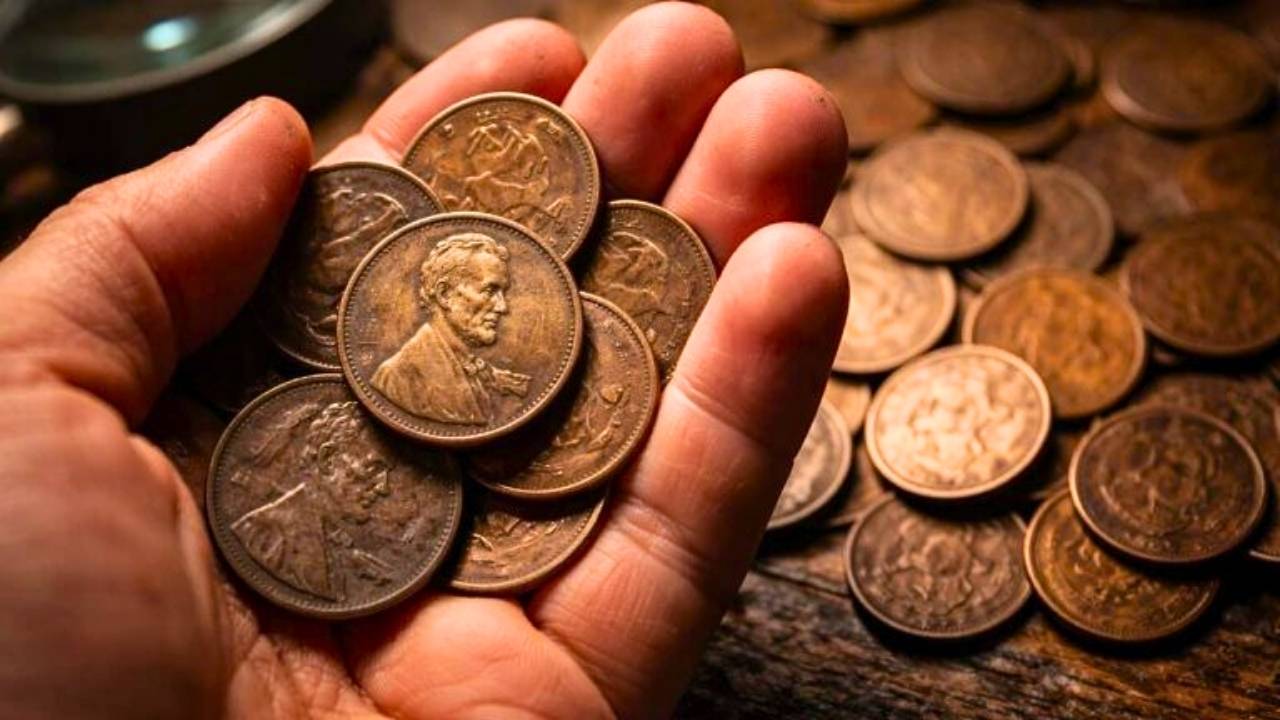
TheLincoln Wheat Pennies, first struck in 1909, is one of the most beloved coins in American numismatics. Designed by Victor David Brenner, it features Abraham Lincoln on the obverse and two wheat stalks on the reverse. While most Wheat Pennies are common and worth only a few cents, certain rare dates and varieties have become legendary, with values reaching thousands of dollars even in poor condition. In 2026, collectors continue to search for these hidden treasures in pocket change, coin rolls, and old collections.
The History of Wheat Pennies
The Lincoln Wheat Penny was introduced to commemorate the centennial of Abraham Lincoln’s birth. It was the first U.S. coin to feature a real person rather than a symbolic figure. The coin was struck in bronze until 1943, when steel was used due to wartime shortages. Production continued until 1958, when the reverse design was changed to the Lincoln Memorial. Over the decades, rare mintages, errors, and special varieties have created some of the most valuable coins in American history.
Why Rare Wheat Pennies Are Valuable
Most Wheat Pennies are common, but rarity and condition can dramatically increase value. Low mintage years, minting errors, and proof issues are key factors. Even heavily worn examples of rare dates can be worth thousands. Collectors also value these coins for their artistry and historical significance, making them desirable both as collectibles and investments.
Rare Lincoln Wheat Pennies Worth Thousands
1909-S VDB Lincoln Penny
The San Francisco Mint produced only 484,000 coins with Brenner’s initials “VDB” before they were removed. Even in poor condition, this coin can be worth hundreds, with high-grade examples reaching tens of thousands.
1914-D Lincoln Penny
The Denver Mint struck a low number of pennies in 1914, making this a key rarity. Worn examples are worth hundreds, while high-grade coins can reach thousands.
1922 No D Lincoln Penny
A variety struck in Denver without a mintmark, creating one of the most famous errors in the series. Even heavily worn examples are worth hundreds, with high-grade coins exceeding thousands.
1931-S Lincoln Penny
With a mintage of just 866,000, this coin is one of the lowest production Wheat Pennies. Poor condition examples are still valuable, while high-grade coins are highly collectible.
1943 Copper Penny
During World War II, pennies were struck in steel, but a few were mistakenly struck in copper. These coins are among the most valuable in American coinage, with values reaching millions even in worn condition.

Chart: Rare Wheat Penny Values in 2026
| Variety | Condition | Estimated Value (USD) |
|---|---|---|
| 1909-S VDB Lincoln Penny | Poor | $200 – $500 |
| 1914-D Lincoln Penny | Poor | $150 – $400 |
| 1922 No D Lincoln Penny | Poor | $200 – $600 |
| 1931-S Lincoln Penny | Poor | $75 – $200 |
| 1943 Copper Penny | Poor | $100,000 – $500,000+ |
How to Identify Valuable Wheat Pennies
Collectors should examine coins carefully for mintmarks, finishes, and unusual features. The 1909-S VDB shows the “S” mintmark below the date and “VDB” initials on the reverse. The 1914-D is identified by its Denver mintmark. The 1922 No D variety lacks a mintmark entirely. The 1931-S has a San Francisco mintmark. The 1943 Copper Penny can be identified by its weight and color, as most 1943 pennies are steel. Professional grading services can confirm authenticity and provide accurate valuations.
Collecting Trends in 2026
In 2026, Wheat Penny rarities remain a strong focus for collectors. Auction houses report steady demand for key dates, proofs, and error coins, while online marketplaces make it easier for enthusiasts to buy and sell. Social media has fueled interest among younger collectors, who enjoy sharing discoveries and learning about numismatics. The combination of history, rarity, and investment potential ensures that Wheat Pennies continue to attract attention.
Tips for Collectors
- Study reference guides to learn about rare varieties and minting errors
- Examine coins carefully for unusual features and sharp details
- Consider professional grading for high-value specimens
- Store coins properly to prevent tarnish and damage
- Follow auction trends to understand current market demand
Key Highlights
- The Wheat Penny was introduced in 1909 to honor Abraham Lincoln’s centennial
- Rare varieties include the 1909-S VDB, 1914-D, 1922 No D, 1931-S, and 1943 Copper Penny
- Values in 2026 range from hundreds to millions of dollars, even for poor condition examples
- Condition and rarity are the most important factors in determining value
- Wheat Pennies remain one of the most popular areas of U.S. coin collecting in 2026
Final Words
Rare Lincoln Wheat Pennies prove that even a coin worth one cent can hold extraordinary value. From the famous 1909-S VDB to the legendary 1943 Copper Penny, these coins continue to inspire fascination among collectors. In 2026, the hunt for Wheat Penny rarities remains as exciting as ever, offering both historical insight and the possibility of hidden fortune. Whether you are a seasoned numismatist or a curious beginner, exploring the Wheat Penny series is a rewarding journey through American coinage.