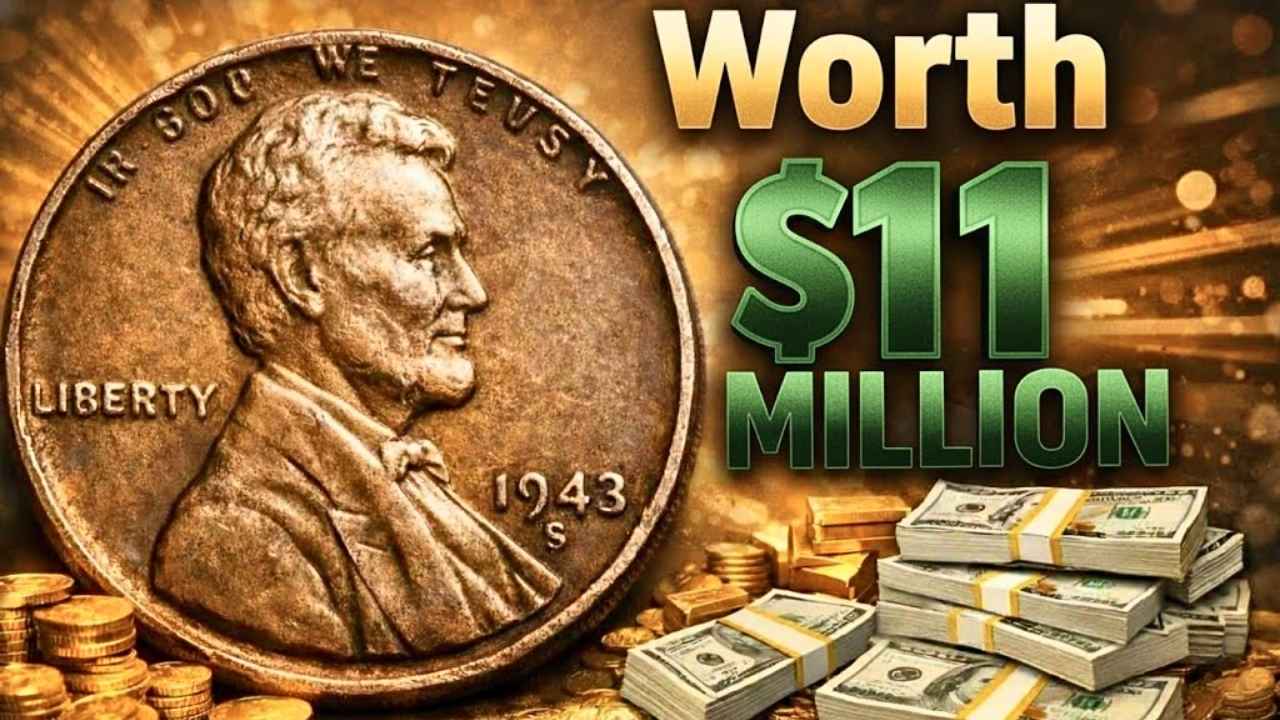
The Lincoln Wheat Penny is one of the most beloved coins in American numismatics. First introduced in 1909 to honor the centennial of Abraham Lincoln’s birth, it quickly became a staple in circulation. While most wheat pennies are worth only a few cents today, certain rare varieties have achieved legendary status among collectors. In fact, one Lincoln Wheat Penny has been valued at an astonishing $11 million, making it one of the most valuable coins in U.S. history. This guide explores the story behind this rare penny, how to identify valuable wheat cents, and why collectors continue to prize them.
The History of the Lincoln Wheat Penny
The Lincoln Wheat Penny was designed by Victor David Brenner and featured Lincoln’s portrait on the obverse and two wheat stalks on the reverse. It was the first U.S. coin to depict a real person, breaking from the tradition of symbolic figures. Minted from 1909 until 1958, the wheat penny became a familiar sight in circulation. Over the years, certain varieties and minting errors emerged, creating opportunities for collectors to discover hidden treasures.

Why Some Wheat Pennies Are Valuable
Most wheat pennies are common, but rarity and condition can dramatically increase their value. Low mintage years, minting errors, and unique varieties are key drivers of rarity. Coins struck in pristine condition, especially those preserved in uncirculated grades, can command strong premiums. Collectors in 2026 are particularly focused on coins with unusual features that set them apart from the millions of standard issues.
The Legendary $11 Million Lincoln Wheat Penny
The penny that achieved the $11 million valuation is a unique specimen, often referred to as the “holy grail” of wheat cents. Its extraordinary value comes from a combination of rarity, historical significance, and pristine condition. While most wheat pennies are worth only a few cents, this coin’s uniqueness and demand among elite collectors have elevated it to record-breaking status. Auction houses have reported intense bidding wars whenever such rare pennies appear, proving that even the smallest coin can hold immense value.
Other Rare Lincoln Wheat Pennies
1909‑S VDB
The first year of issue, with the designer’s initials prominently displayed. Scarce and highly collectible.
1914‑D
A low mintage coin from the Denver Mint, prized by collectors.
1922 No D
An error variety where the Denver mint mark is missing. Rare and valuable.
1931‑S
Another low mintage coin, worth significant premiums in high grades.
1943 Copper Penny
During World War II, pennies were supposed to be struck in steel. A few copper planchets were mistakenly used, creating one of the most famous error coins.
Chart: Rare Lincoln Wheat Penny Values in 2026
| Coin Type | Feature | Estimated Value (USD) |
|---|---|---|
| 1909‑S VDB | First Year Issue | $500 – $5,000+ |
| 1914‑D | Low Mintage | $300 – $10,000+ |
| 1922 No D | Missing Mint Mark | $500 – $15,000+ |
| 1931‑S | Low Mintage | $100 – $3,000+ |
| 1943 Copper Penny | Wrong Planchet | $100,000 – $1,000,000+ |
| Unique Wheat Penny | Legendary Specimen | $11,000,000 |
How to Spot Valuable Wheat Pennies
Collectors should carefully examine their coins under magnification. Mint marks are crucial, as certain varieties are defined by their presence or absence. Doubling on the date or lettering may indicate a double die error. Wrong planchet coins may appear different in color or weight compared to normal issues. Professional grading and authentication are essential to confirm rarity and value.

Collecting Trends in 2026
In 2026, coin collecting remains strong, with Lincoln Wheat Pennies at the center of attention. Auction houses report record prices for rare varieties, and social media has fueled interest in error coins. Younger collectors are drawn to the nostalgia of wheat pennies, while seasoned numismatists continue to prize rare errors. The combination of history, artistry, and rarity ensures these coins remain popular across generations.
Tips for Collectors
- Study reference guides to learn about key dates and varieties
- Examine coins carefully for unusual features or errors
- Consider professional grading to authenticate and preserve rare coins
- Store coins properly to prevent tarnish and damage
- Follow auction trends to understand current market demand
Key Highlights
- The Lincoln Wheat Penny was introduced in 1909 to honor Abraham Lincoln
- Rare varieties include the 1909‑S VDB, 1914‑D, 1922 No D, and 1943 copper penny
- One unique wheat penny has achieved a valuation of $11 million
- Values in 2026 range from hundreds to millions depending on rarity and condition
- Collectors continue to prize these coins for their history and uniqueness
Final Words
The Lincoln Wheat Penny is more than just a coin; it is a reflection of American history and artistry. Rare varieties and minting errors continue to command impressive premiums in 2026, proving that numismatics is both a passion and an investment. Whether you are a seasoned collector or a curious beginner, exploring these treasures offers a glimpse into America’s heritage and the enduring allure of rare coins. That penny tucked away in a collection—or even found in pocket change—might just be one of the treasures collectors crave today.