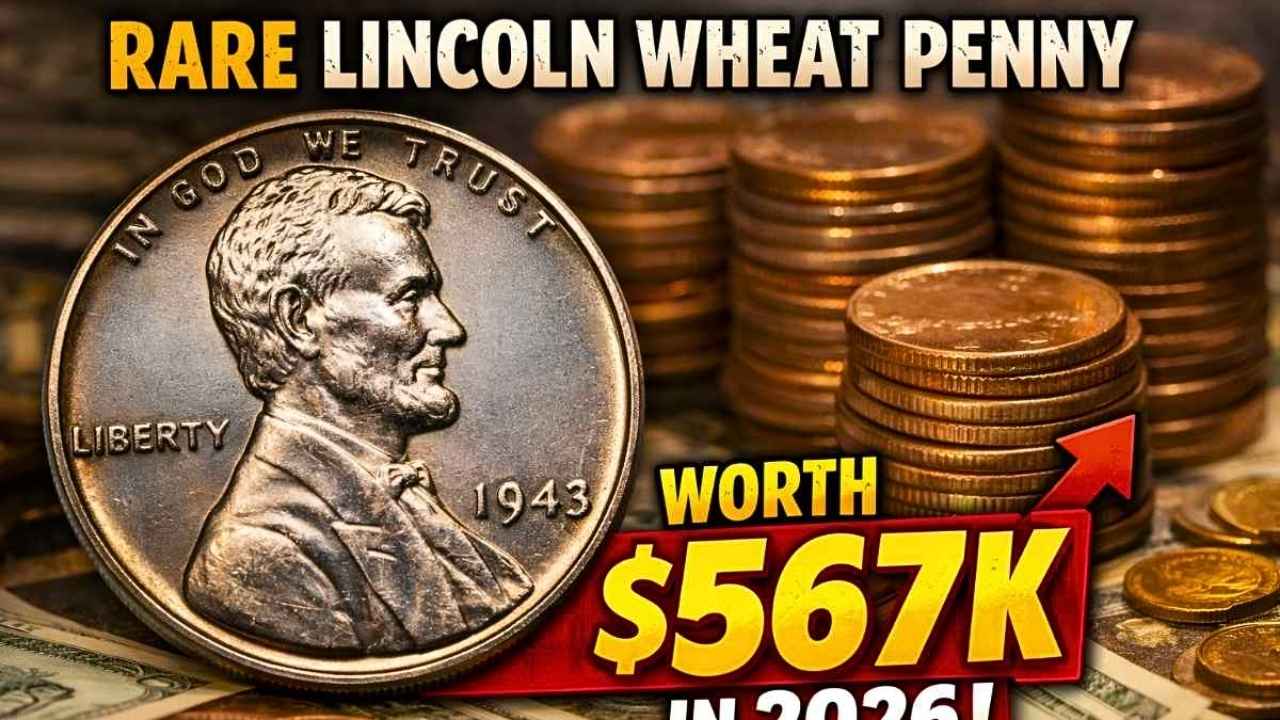
The Lincoln Wheat Penny has long been a favorite among collectors. First minted in 1909 to honor President Abraham Lincoln, these coins were produced until 1958 and remain one of the most iconic pieces of American coinage. In 2026, certain rare varieties of the Lincoln Wheat Penny continue to astonish collectors with their values, with some examples reaching as high as $567,000. This guide explores the history, errors, and collector tips that make these coins so valuable.
Origins of the Lincoln Wheat Penny
The Wheat Penny was designed by Victor David Brenner and introduced in 1909 to commemorate the centennial of Lincoln’s birth. Its reverse features two wheat stalks, symbolizing prosperity and strength. Over the years, millions were minted, but certain varieties and errors have become exceptionally rare and valuable.
Rare Varieties Worth Big Money
Several Lincoln Wheat Pennies stand out for their rarity and value.
- 1909‑S VDB Penny: The first year of issue, with limited production in San Francisco, is highly prized.
- 1943 Copper Penny: A famous error where copper planchets were mistakenly used during wartime steel penny production.
- 1955 Doubled Die Penny: Known for its dramatic doubling on the date and inscriptions.
- 1922 No D Penny: A variety struck in Denver without the mint mark, making it extremely rare.
Rare Coin Value Chart 2026
| Coin | Notable Feature | Estimated Value (2026) |
|---|---|---|
| 1909‑S VDB Penny | Low mintage, designer initials | $50,000–$100,000+ |
| 1943 Copper Penny | Wrong planchet error | $100,000–$250,000+ |
| 1955 Doubled Die Penny | Dramatic doubling | $20,000–$50,000+ |
| 1922 No D Penny | Missing mint mark | $75,000–$567,000+ |
Error Coins That Add Value
Error coins are especially appealing to collectors. The 1943 copper penny and 1955 doubled die penny are legendary examples, but other errors such as off‑center strikes, die cracks, and repunched mint marks also add value. Dramatic errors are rare and command higher premiums, especially when preserved in high grades.

The Importance of Condition
Condition is critical in determining value. Coins graded MS65 or higher by professional grading services can command significant premiums. Collectors look for sharp details, full luster, and minimal wear. Certified coins with clear error features or rare varieties are especially prized.
Market Trends in 2026
The rare coin market remains strong in 2026. Auction houses report record prices for rare Wheat Pennies, with the 1922 No D Penny achieving values up to $567,000 in top condition. Online platforms have expanded access to trading, making it easier for collectors worldwide to participate. Certified coins in high grades continue to attract strong demand, and error varieties remain popular among enthusiasts.
Collecting Tips for Enthusiasts
- Learn to recognize rare varieties such as the 1909‑S VDB and 1922 No D Penny
- Preserve coins in protective holders to prevent wear
- Verify authenticity through professional grading services
- Focus on condition, as higher grades significantly increase value
- Stay informed about auction results and market trends
Historical Significance
The Lincoln Wheat Penny is more than just currency; it is a piece of American history. From its introduction in 1909 to its final year in 1958, it reflects the nation’s values and heritage. Rare varieties and errors remind us of the complexities of minting and the unique stories behind each coin.
Key Highlights
- The Lincoln Wheat Penny was minted from 1909 to 1958
- Rare varieties include the 1909‑S VDB, 1943 copper penny, 1955 doubled die penny, and 1922 No D penny
- Values in 2026 range from tens of thousands to over half a million depending on rarity and condition
- Condition plays a major role in determining value, with MS65+ coins commanding premiums
- Collector demand remains strong, with rare Wheat Pennies achieving record prices
Final Words
The Lincoln Wheat Penny continues to captivate collectors in 2026. With rare varieties worth up to $567,000, these coins represent both financial opportunity and historical legacy. Whether discovered in pocket change or purchased at auction, Wheat Pennies remind us that even small coins can hold extraordinary stories and fortunes. For enthusiasts, collecting these coins is not just about wealth but about preserving a piece of America’s past for generations to come.