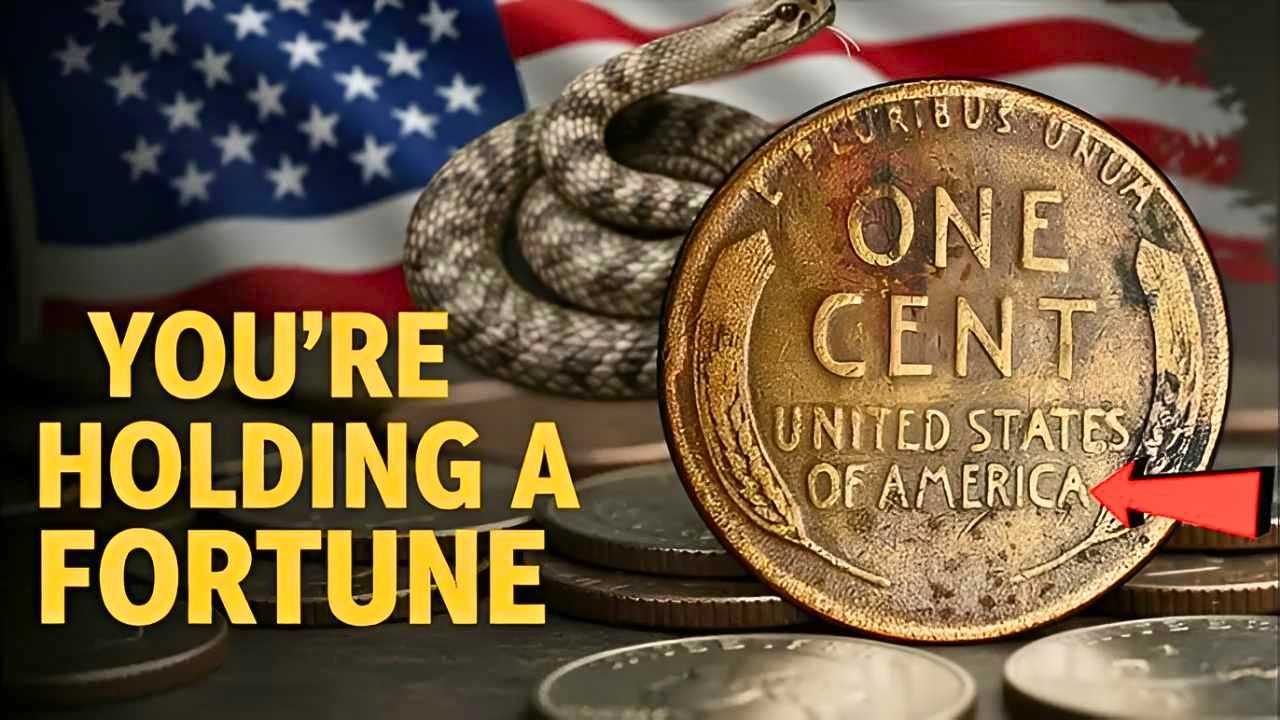
The Wheat Penny, minted from 1909 to 1958, is one of the most iconic coins in American numismatics. With its simple design featuring two wheat stalks on the reverse, it has captured the imagination of collectors for generations. While most Wheat Pennies are common and worth only a few cents, certain rare dates, mint marks, and error varieties have become treasures worth thousands or even millions. In 2026, collectors continue to pay strong premiums for these coins, and comparing today’s values with those from a decade ago reveals fascinating trends in the coin market.
The History of the Wheat Penny
The Wheat Penny was designed by Victor David Brenner to commemorate the centennial of Abraham Lincoln’s birth. Introduced in 1909, it was the first U.S. coin to feature a president’s portrait. Over the years, billions were minted, but certain issues stand out due to low production numbers, minting errors, or unique historical circumstances. These factors make Wheat Pennies a cornerstone of coin collecting.

Rare Wheat Pennies Worth Collecting
1909‑S VDB
The most famous Wheat Penny, minted in San Francisco with Brenner’s initials, is considered the “Holy Grail” of pennies. With only 484,000 produced, it remains extremely rare and valuable.
1914‑D
The Denver Mint produced a limited number of pennies in 1914. High-grade examples are scarce and command strong premiums.
1922 No D
Due to a minting error, some 1922 pennies struck in Denver lack the “D” mint mark. These coins are rare and highly collectible.
1931‑S
With a low mintage of just under one million, the 1931‑S is one of the scarcer Wheat Pennies.

1943 Copper Penny
During World War II, pennies were struck in steel to save copper for the war effort. A few copper planchets were mistakenly used, creating one of the most valuable error coins in U.S. history.
1955 Double Die
This famous error shows dramatic doubling on the date and lettering. It is one of the most sought-after Wheat Pennies.
Comparing Values: Today vs 10 Years Ago
The coin market has seen significant changes over the past decade. Rare Wheat Pennies have appreciated in value as demand has grown, fueled by online auctions, social media, and renewed interest in numismatics. Comparing values from 2016 to 2026 shows how dramatically prices have risen.
Chart: Wheat Penny Values 2016 vs 2026
| Coin Type | Value in 2016 (USD) | Value in 2026 (USD) |
|---|---|---|
| 1909‑S VDB | $700 – $20,000 | $1,000 – $100,000+ |
| 1914‑D | $300 – $10,000 | $500 – $20,000+ |
| 1922 No D | $2,500 – $20,000 | $5,000 – $50,000+ |
| 1931‑S | $75 – $2,500 | $100 – $5,000 |
| 1943 Copper Penny | $75,000 – $250,000 | $100,000 – $1,000,000+ |
| 1955 Double Die | $2,500 – $25,000 | $5,000 – $50,000+ |
Why Values Have Increased
Several factors explain the rise in Wheat Penny values. Increased interest in coin collecting, driven by online communities and auction platforms, has expanded the market. The rarity of certain coins ensures that demand outpaces supply. Economic uncertainty has also led some investors to view rare coins as alternative assets. Together, these factors have fueled price growth over the past decade.
Collecting Trends in 2026
In 2026, coin collecting remains strong, with Wheat Pennies at the center of attention. Auction houses report record prices for rare varieties, with international buyers entering the market. Social media has fueled interest, with viral posts showcasing rare finds and encouraging others to check their coins. The nostalgia of the Wheat Penny era continues to inspire collectors, ensuring these coins remain popular across generations.
Tips for Collectors
- Study reference guides to learn about key dates and mint marks
- Examine coins carefully for unusual features or errors
- Consider professional grading to authenticate and preserve rare coins
- Store coins properly to prevent tarnish and damage
- Follow auction trends to understand current market demand
Key Highlights
- The Wheat Penny was minted from 1909 to 1958
- Rare varieties include the 1909‑S VDB, 1914‑D, and 1943 copper penny
- Error coins such as double dies and wrong planchets can be worth thousands or millions
- Values have risen significantly over the past decade, with some coins doubling or tripling in price
- Collectors in 2026 continue to pay strong premiums for these treasures
Final Words
The Wheat Penny is more than just a coin; it is a piece of American history that captures the spirit of a nation honoring Abraham Lincoln. Comparing values from 2016 to 2026 shows how dramatically the market has grown, proving that numismatics is both a passion and an investment. Whether you are a seasoned collector or a curious beginner, exploring these treasures offers a glimpse into America’s rich heritage and the enduring allure of rare coins. That penny tucked away in a collection might just be one of the treasures collectors crave today.